
Compliance and documentation support
Decide the destination market before the specification is frozen — six things change the moment you do.
Reviewed by the Anbo United export team · Page last updated:
Direct answer
This page covers part of the programme sequence that runs from an idea to bulk goods: idea, 2D drawing, 3D modelling, sample, sample testing, custom packaging, bulk goods — 7 stages, of which the first three carry the expensive decisions. Tooling, SMT, assembly and safety testing are in-house; artwork, manuals and barcodes are packed where the destination-market rules are known.
- 7 stages from drawing to bulk goods
- 4 in-house capabilities — tooling, SMT, assembly, safety testing
- 6 quality gates before a container is sealed
Compliance and documentation support
Planned with the order, not retro-fitted after the shipment is already on the water.
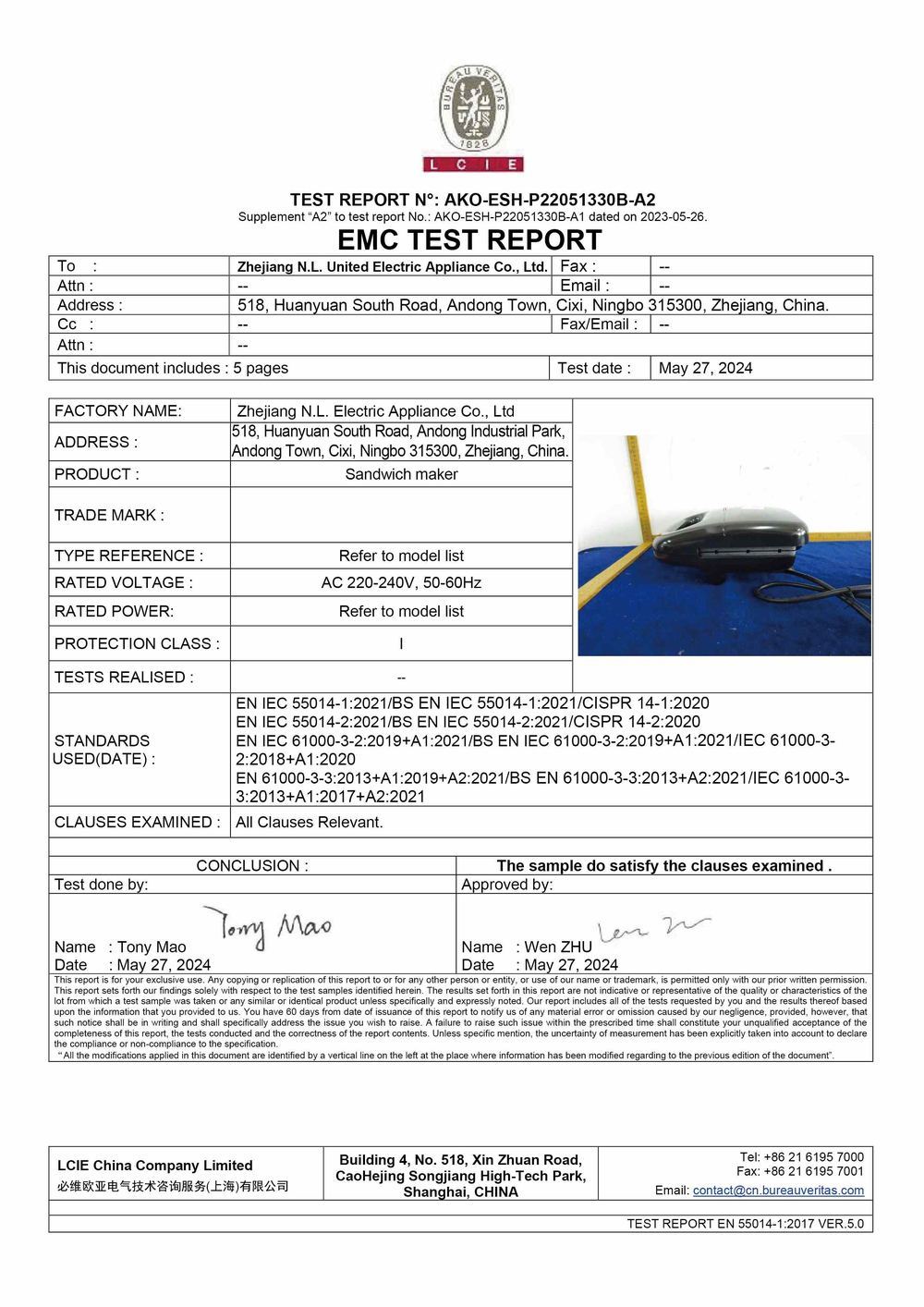
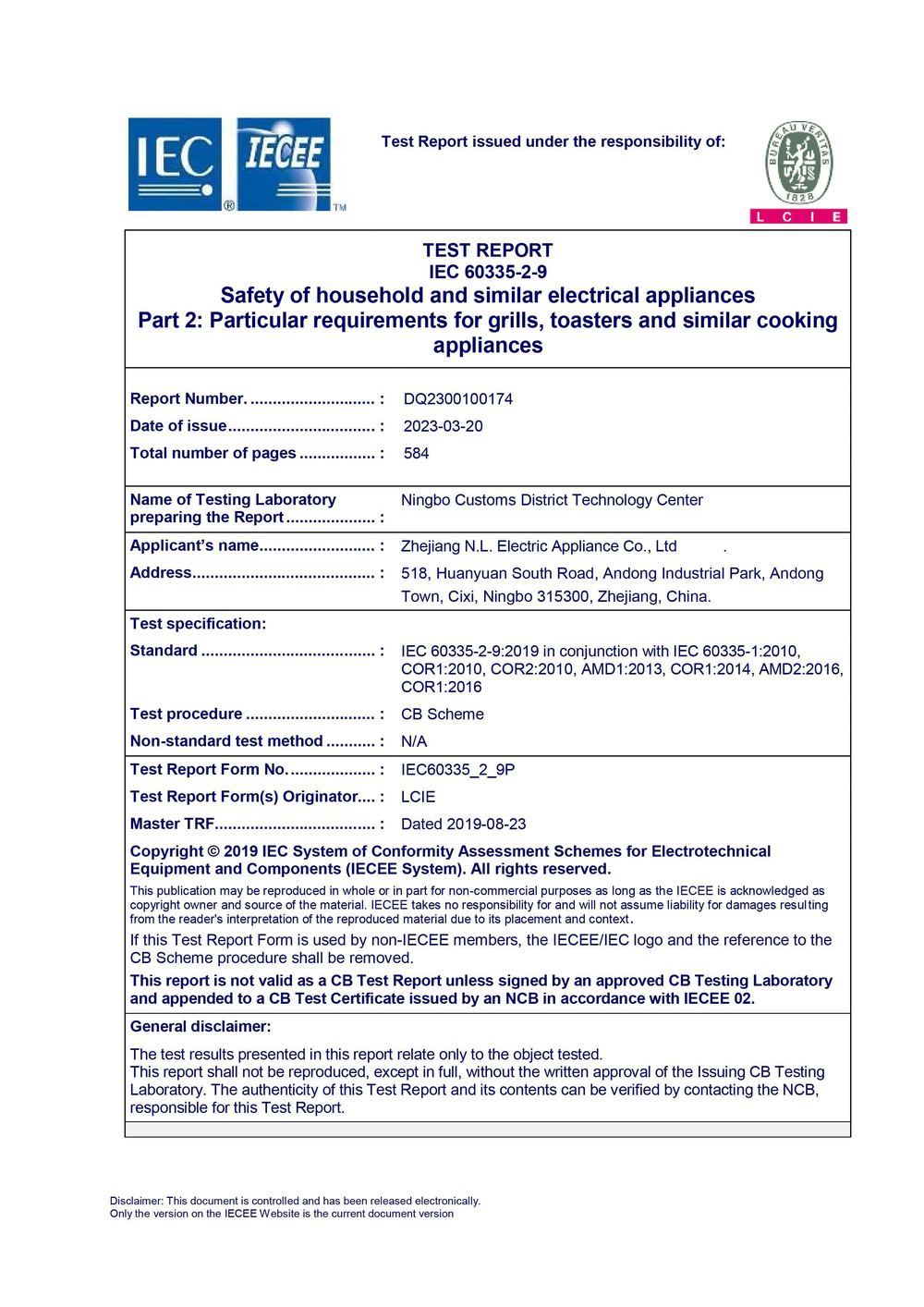
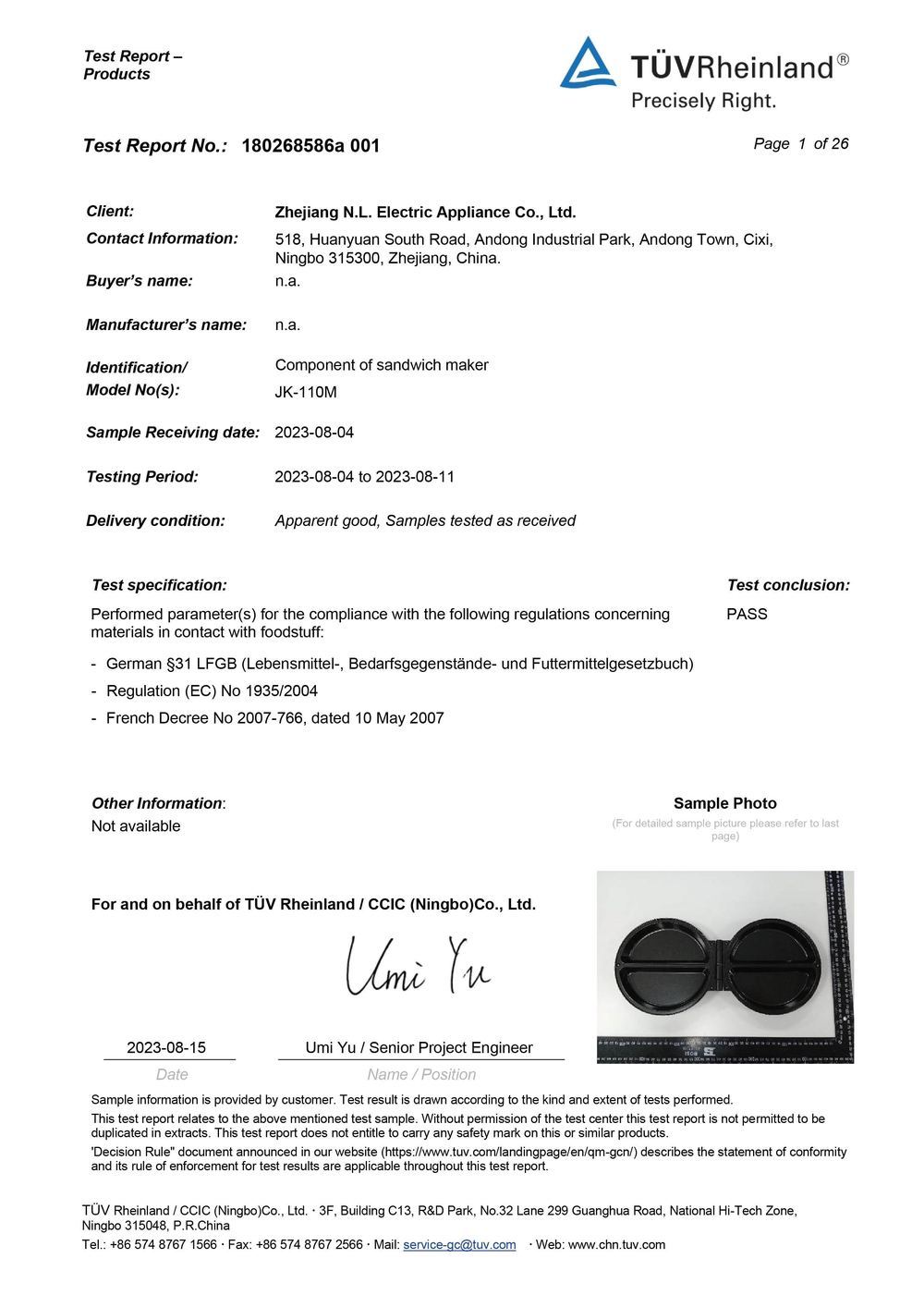
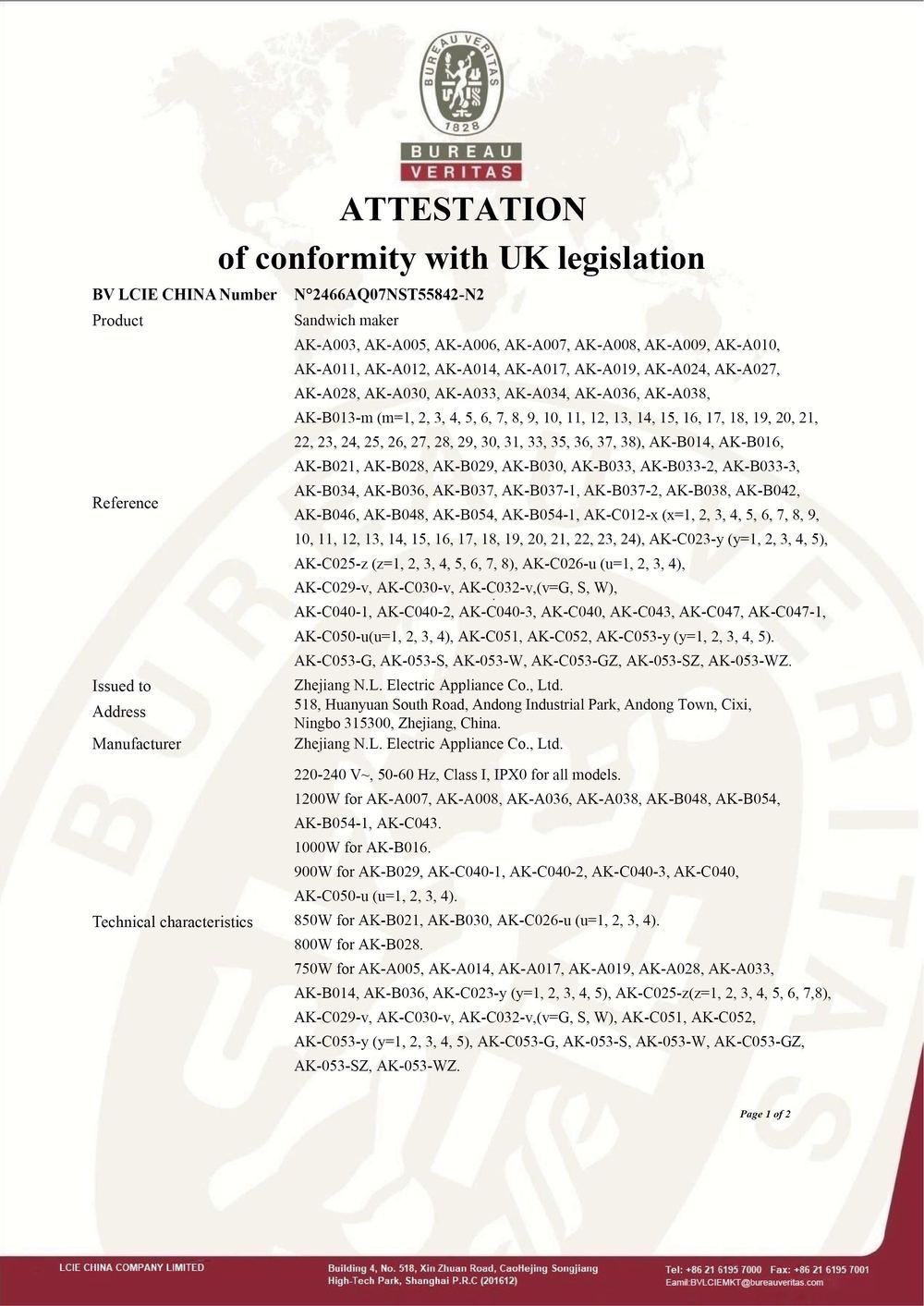
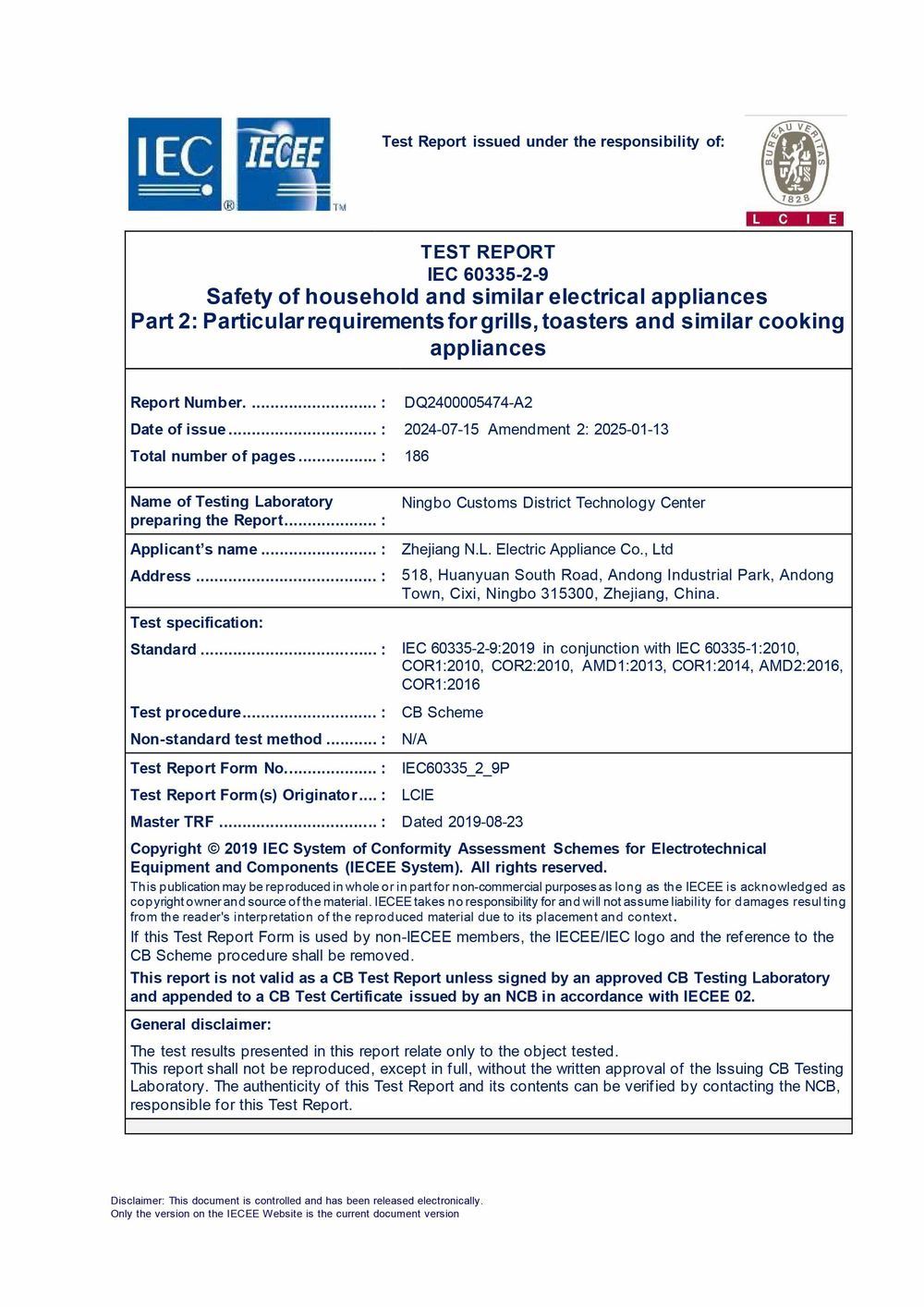
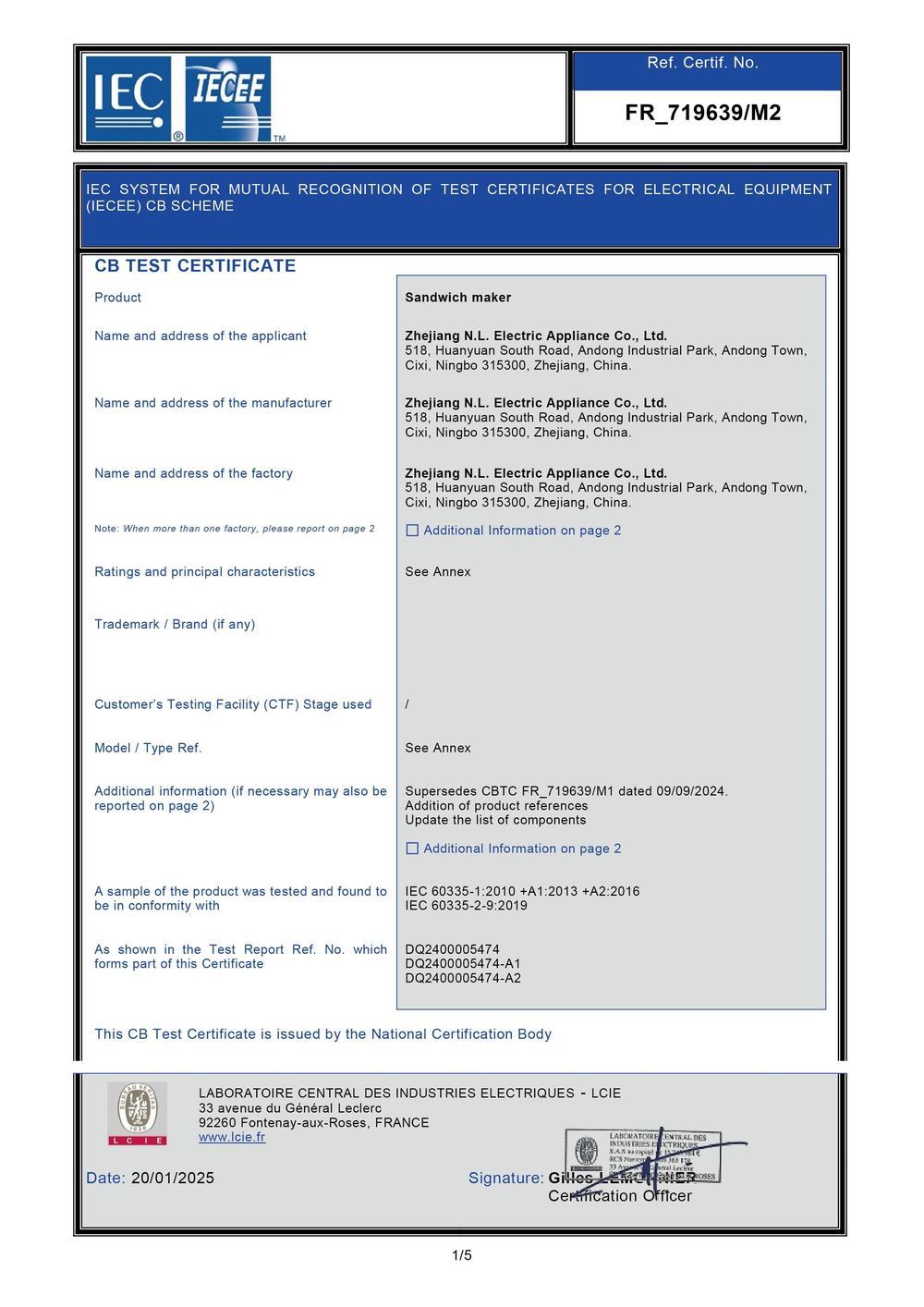
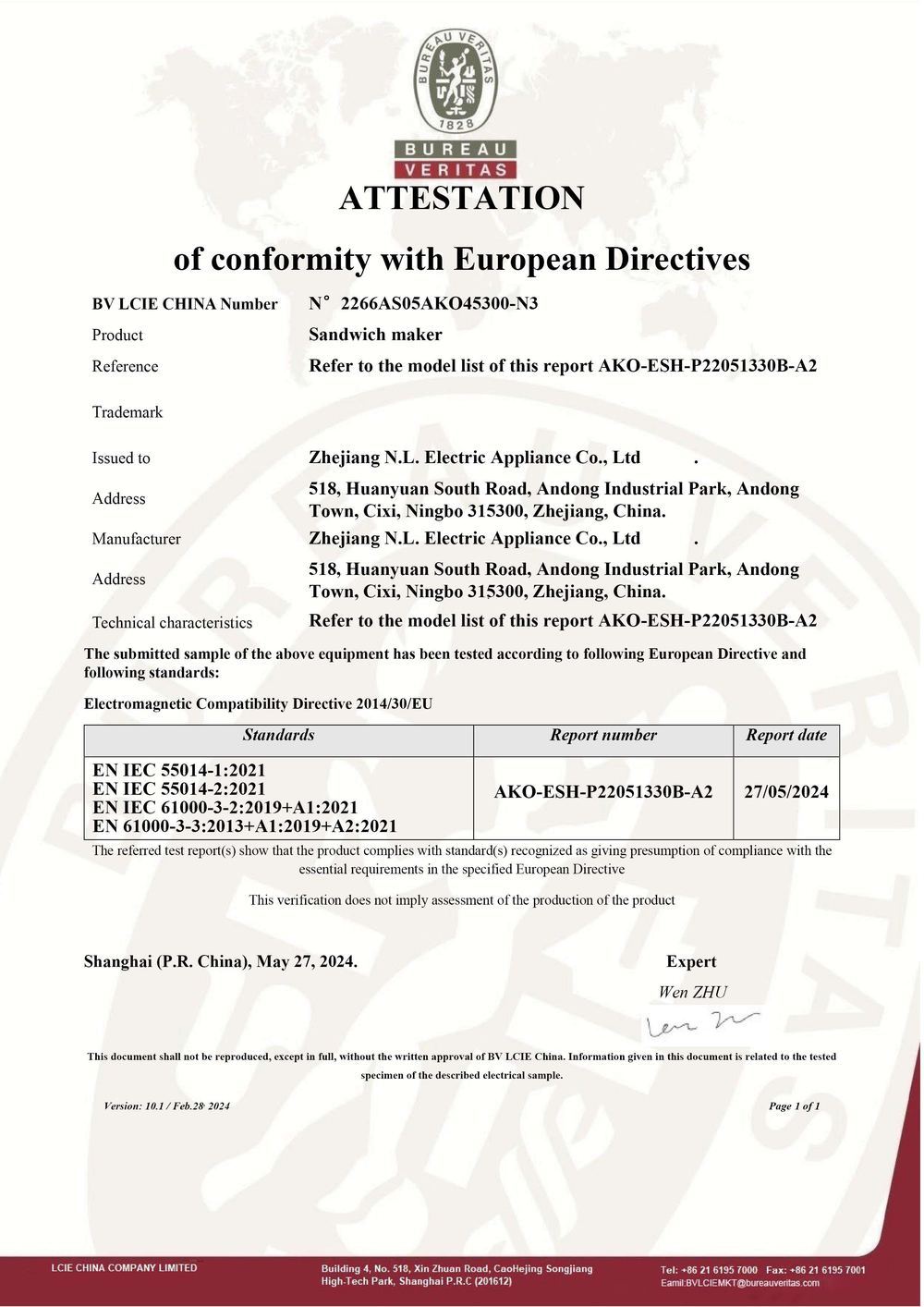
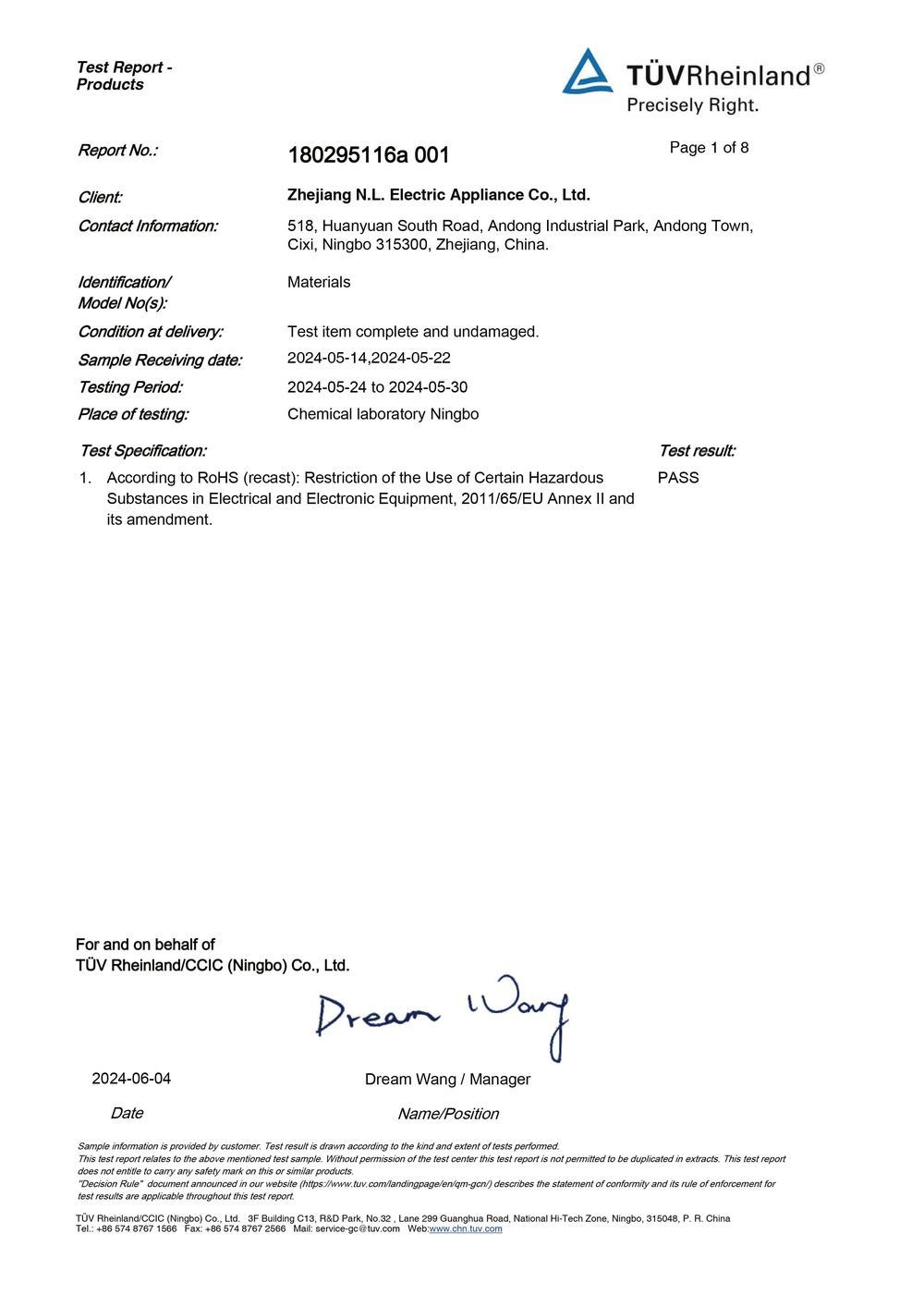
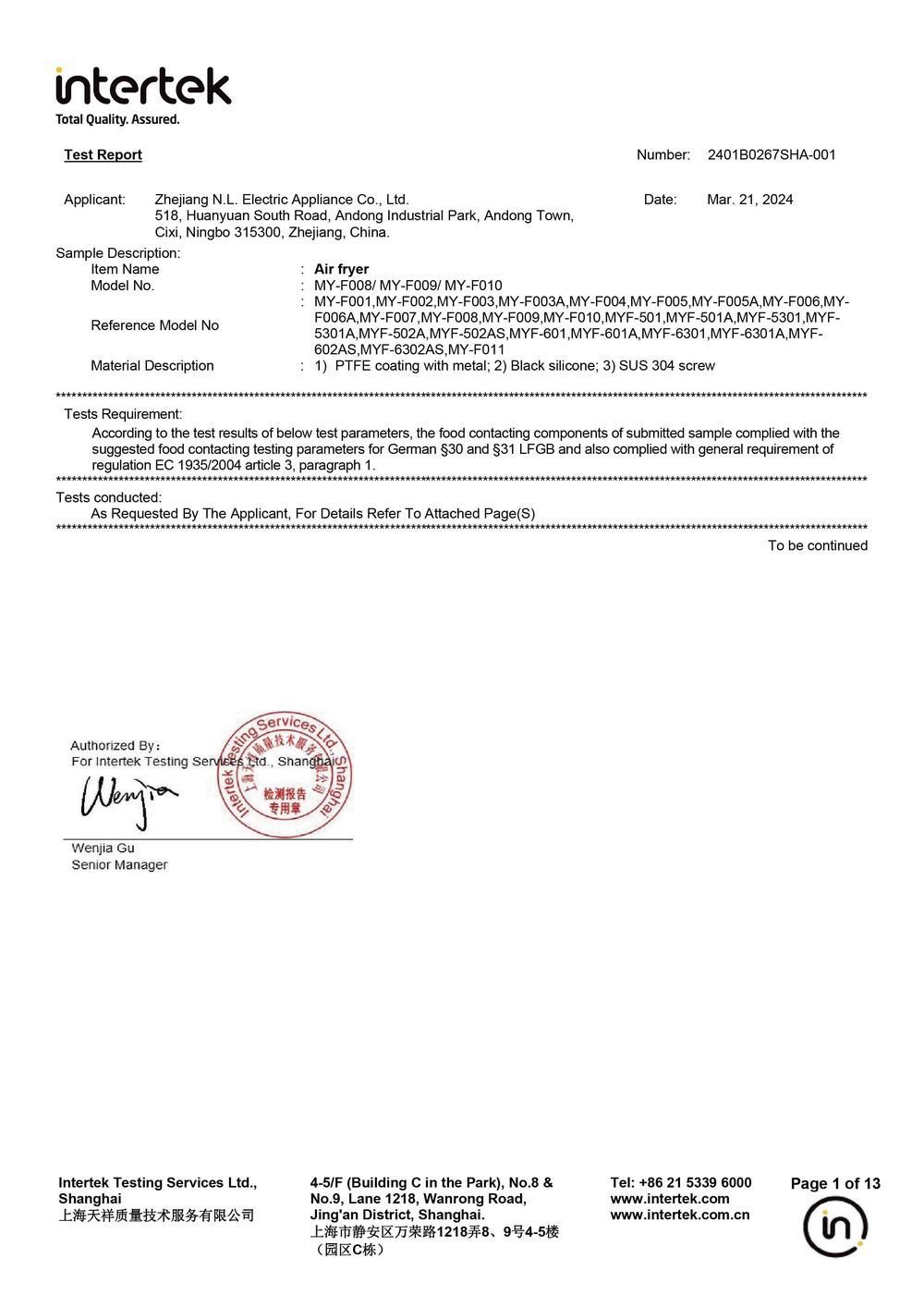
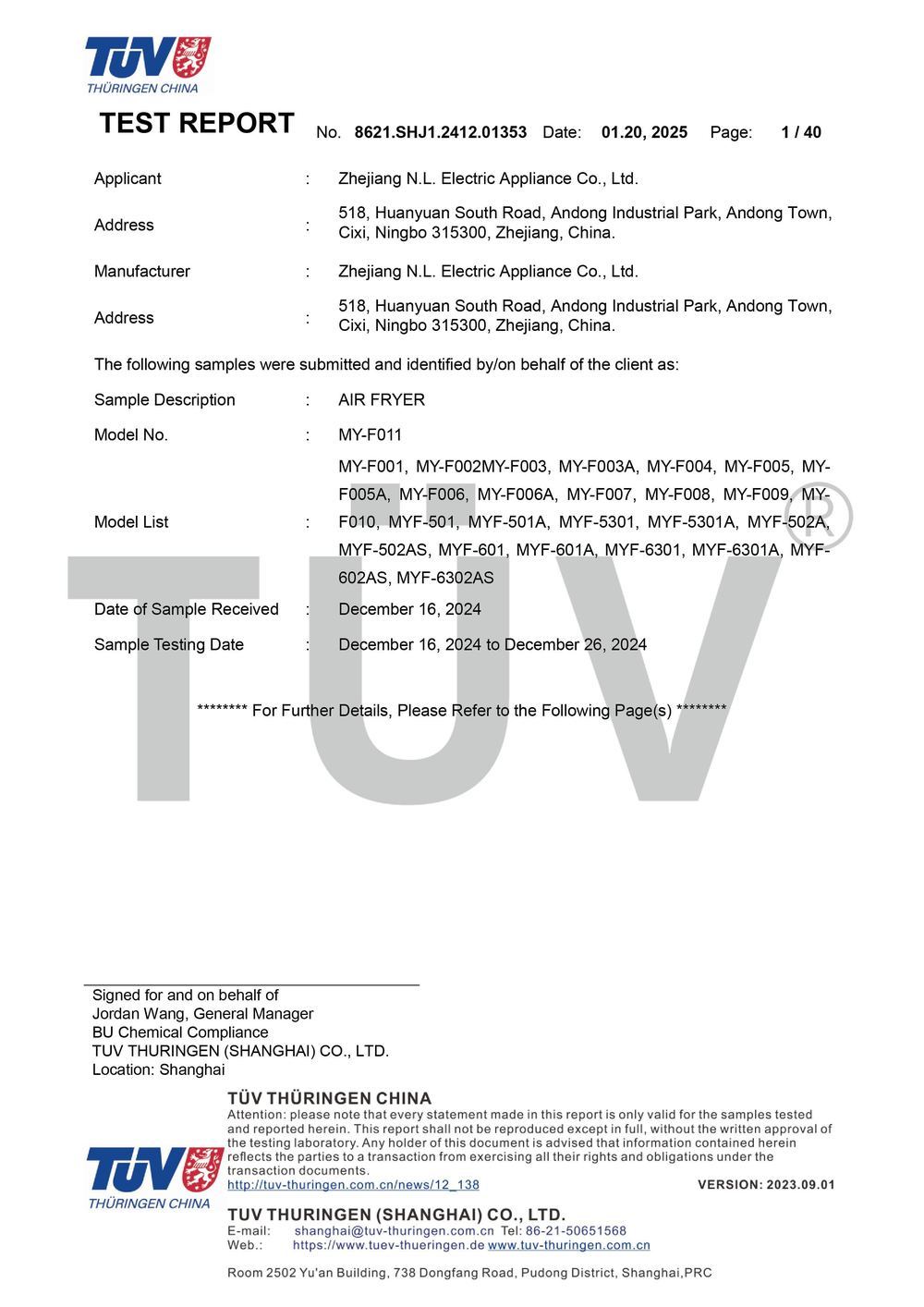
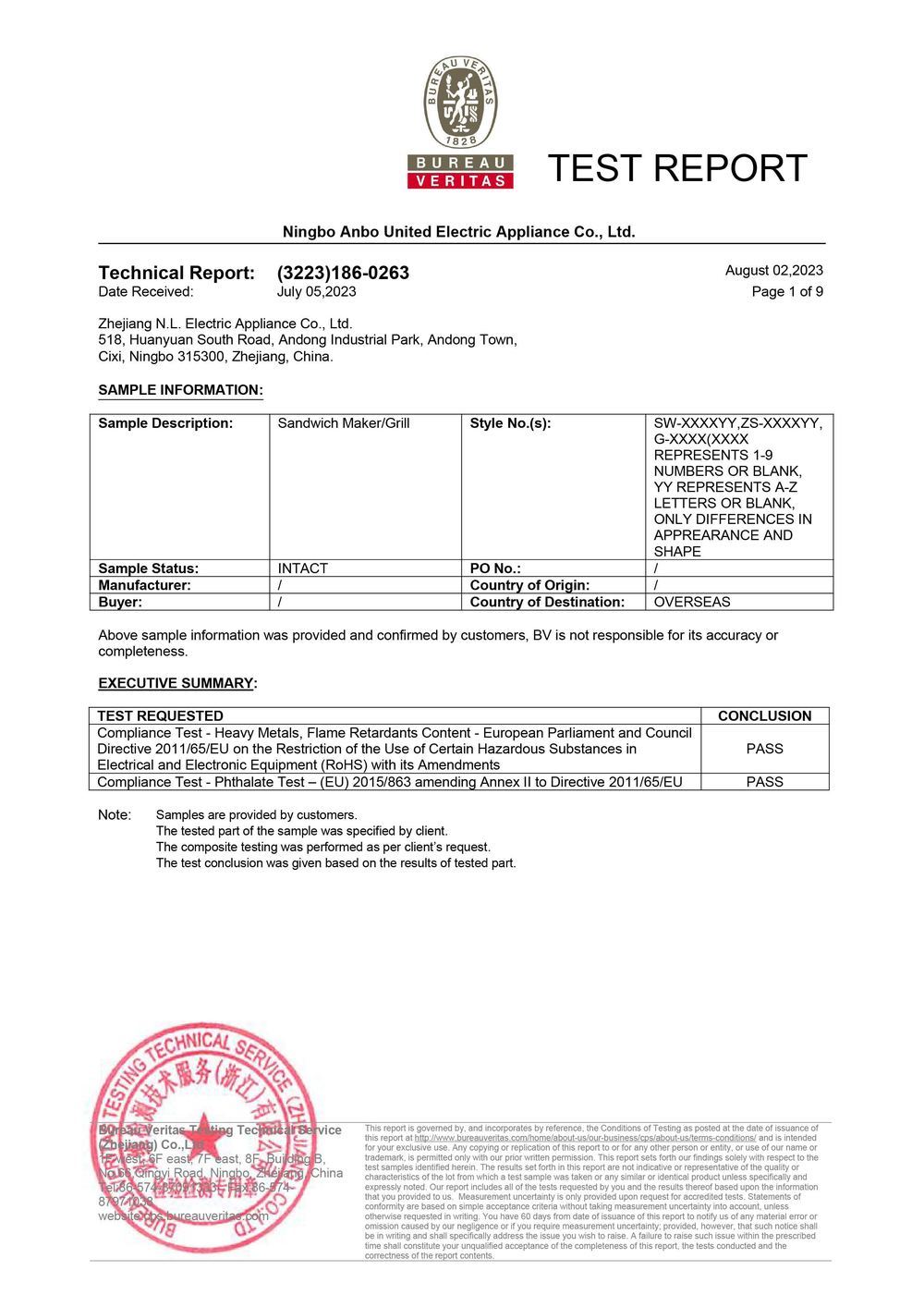
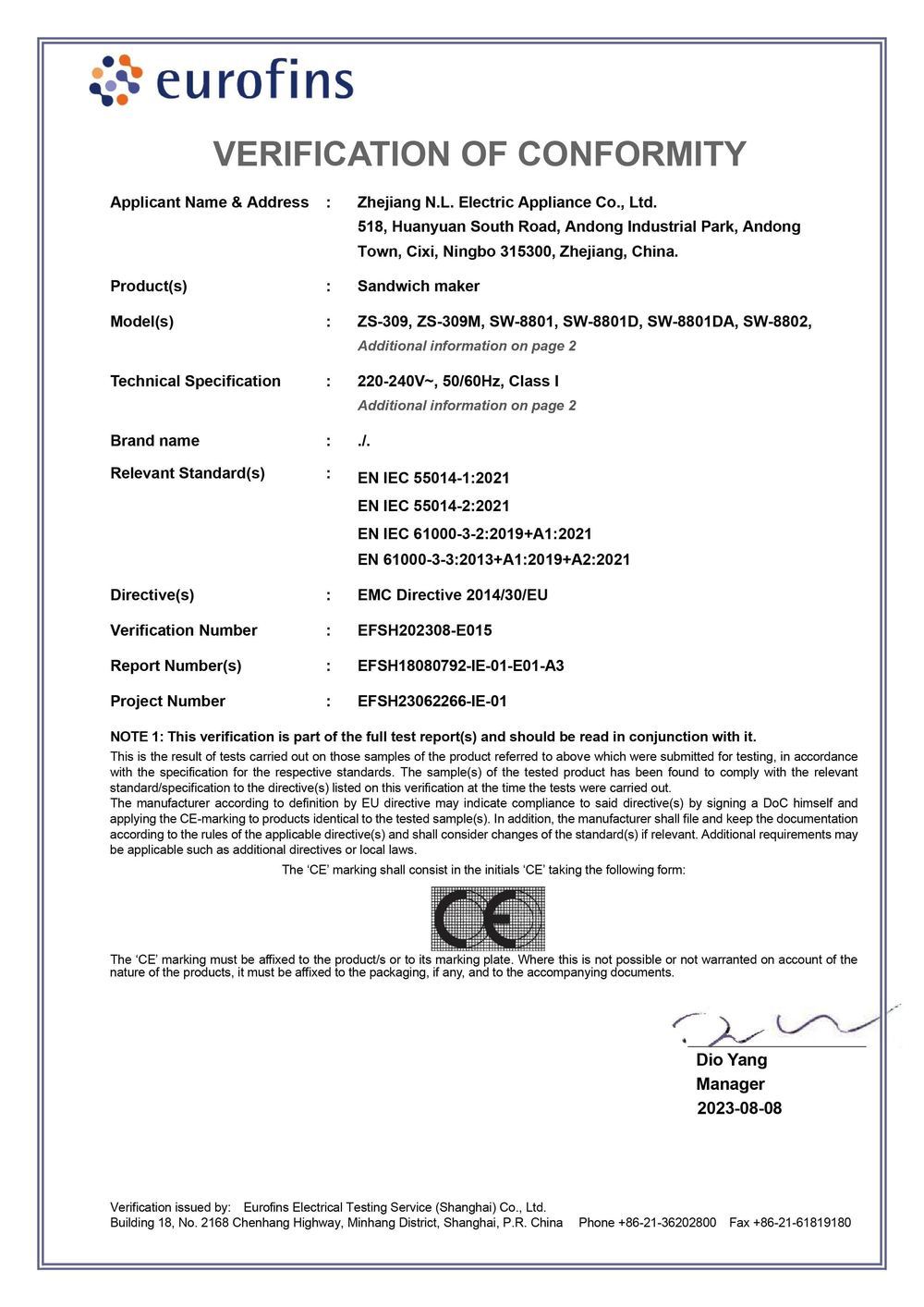
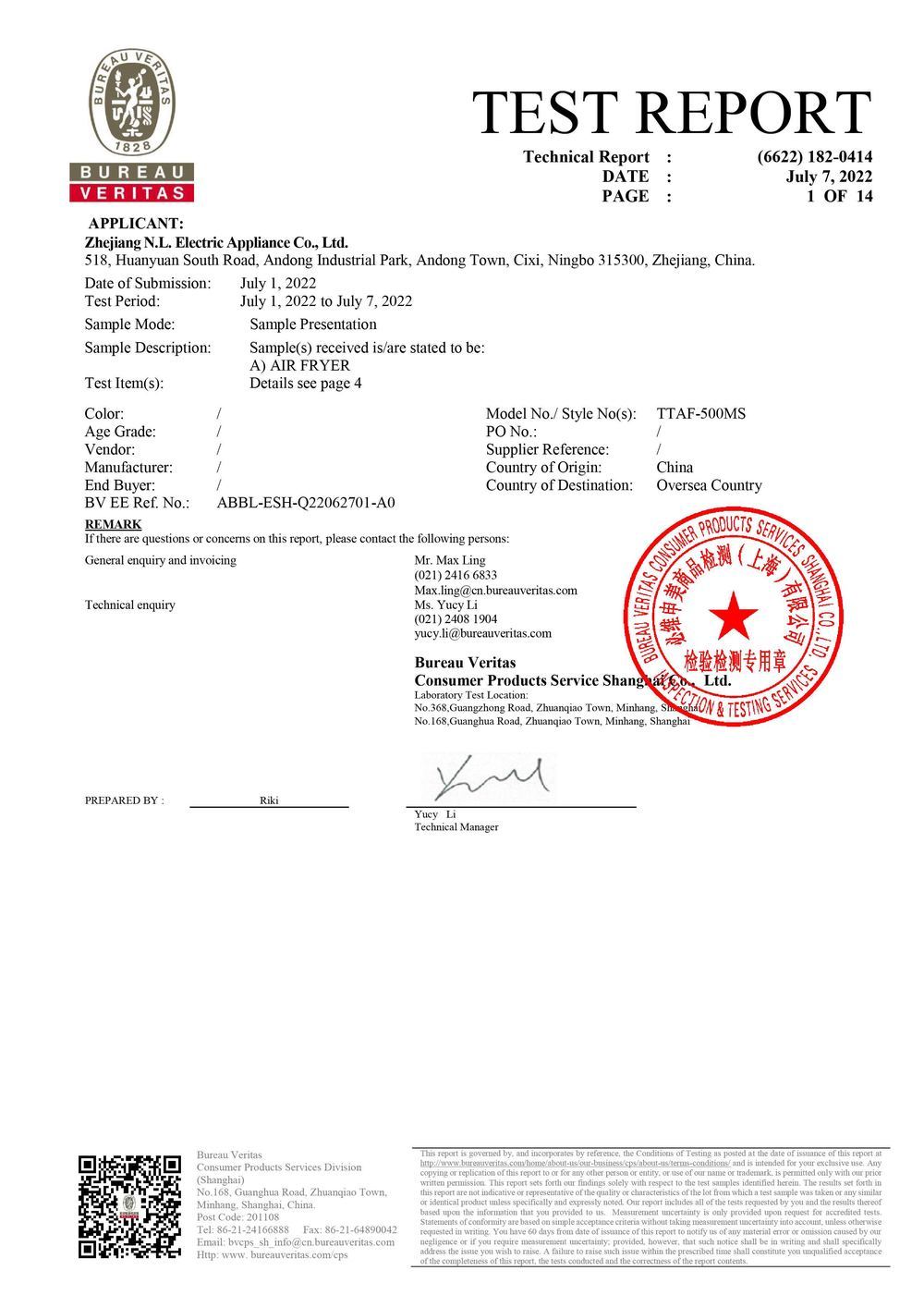
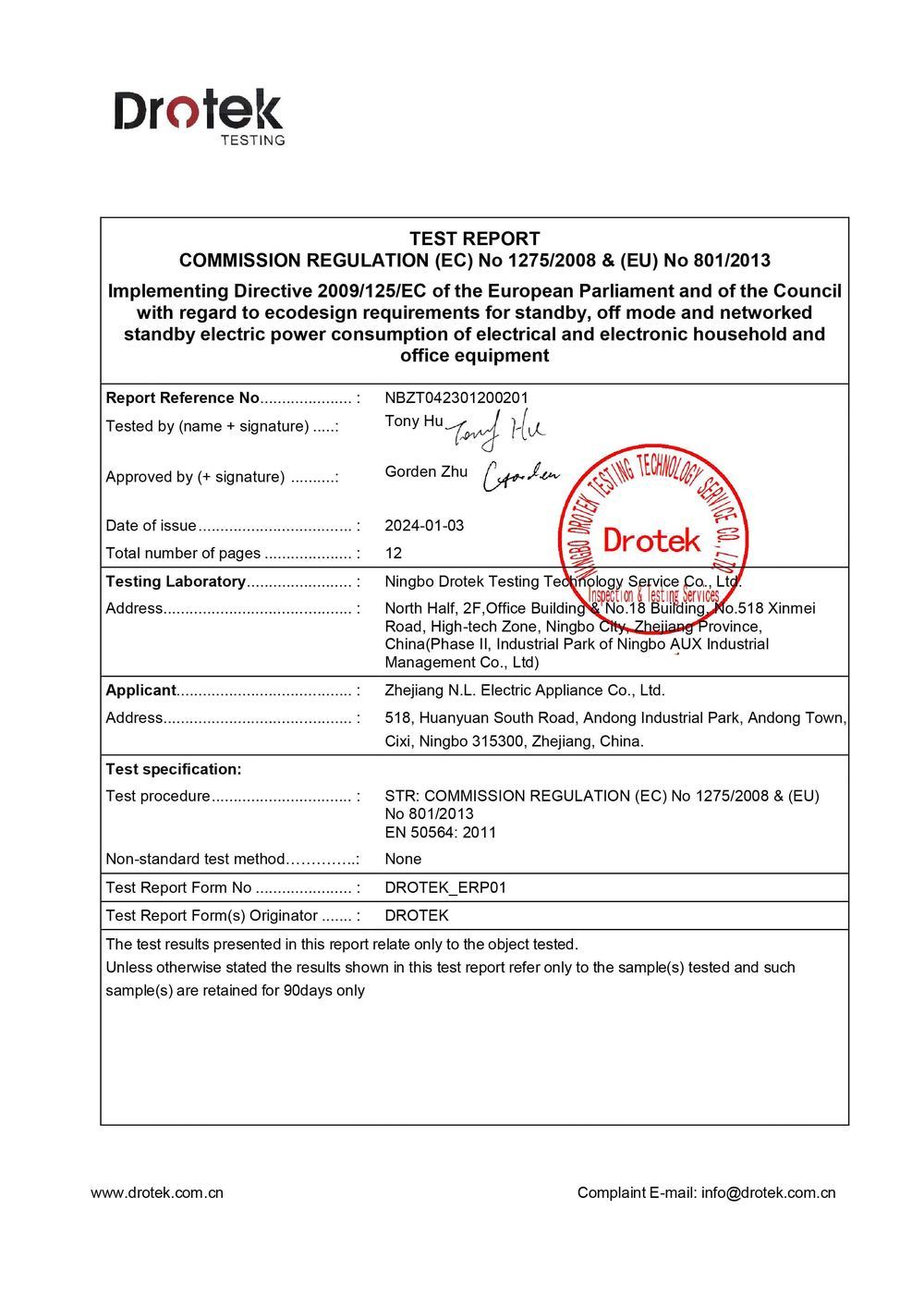
Placeholder certificate imagery — replace with Anbo United own certificates and test reports before launch. The list below shows what we hold on file, not the current validity of any individual document.
The pattern is consistent across markets: documentation is treated as administrative, ordered late, and then becomes the reason a container cannot be cleared. The fix is procedural rather than technical — decide the destination market before the specification is frozen, treat the test file as a project with a lead time, and check labelling before artwork goes to plate.
Certifications published by Anbo United
Listed individually rather than described in a sentence, because a buyer needs to know which scheme reaches which destination — and because 'we are certified' tells them nothing actionable.
| Certification | What it covers | Published by |
|---|---|---|
| CE | European Union safety, EMC and environmental requirements | A B |
| CB | IEC-based test certificate accepted across national schemes | A B |
| GS | German safety standard — required for German retail | A B |
| RoHS | Restriction of hazardous substances | A B |
| LFGB | German food-contact and plastics compliance | A B |
| EMC | Electromagnetic compatibility | A |
| LVD | Low Voltage Directive electrical safety | A |
| ERP | EU Ecodesign / energy-related product requirements | A |
| UL | United States safety listing for North American retail | B |
| ETL | North American alternative to UL, accepted by most US and Canadian retailers | B |
| KC | Korean certification | B |
| REACH | EU chemicals framework — SVHC declaration | B |
| FDA | United States food-contact material declaration | B |
Certification is model-specific, not company-wide. A certificate covers a named model, a defined scope and a validity period, so tell us the model and the destination market and we will confirm what we can actually supply for it. Certificates the factory holds but does not name on either official channel — ISO 9001, BSCI, FCC, SAA, PSE, INMETRO — are not listed here because we have not confirmed they are current.
Certification is model-specific, not company-wide. A certificate covers a named model, a defined scope and a validity period, so tell us the model and the destination market and we will confirm what we can actually supply for it. Marks that third-party databases attribute to us but that neither of our official channels names — ISO 9001, BSCI, FCC, SAA, PSE, INMETRO — are not listed above, because we have not confirmed they are current. Published price and certification reference carries the same list with a note on what each mark is used for.
What the destination market determines
Six things change as soon as the destination country is fixed. This is the reason the destination market is the first question in every quotation conversation.
| Determined by market | What it covers | Practical consequence |
|---|---|---|
| Electrical configuration | Voltage, frequency, plug type and cord set | The same platform needs a different heating element and control build for 110 V markets. |
| Safety and EMC test file | Which standards apply and how the report must be presented | Test scope differs by market, so a report for one market may not satisfy another. |
| Conformity marks | Which marks must appear, and who applies for them | Some markets require a local applicant or representative, which adds lead time and cost. |
| Labelling and language | Mandatory content, warnings and instructions | Bilingual requirements are common and change the manual and the carton. |
| Importer identity | Who is named on the documentation and product | In several markets the importer, not the manufacturer, must be named. |
| Plug and cord documentation | Plug standard, cord gauge and markings | Cord specifications vary and are a common cause of refused shipments. |
Indicative market requirements
Direction of travel by market. Always confirmed in writing for your specific destination before artwork is approved.
| Market | What is normally required | The item that gets missed |
|---|---|---|
| European Union / EEA | CE marking, EMC and LVD directives, WEEE and packaging marks, EU importer identity, instructions in the market language | The importer named on the documentation must be the party placing the product on the EU market. |
| United Kingdom | UKCA or CE depending on the route in force, importer details, UK disposal marks, English instructions | Confirm the currently accepted route at artwork stage; it has changed before. |
| United States | Rated voltage and frequency, responsible-party information, channel listing (UL/ETL) where required, FCC statements for electronic products | Listing requirements are driven by channel and state rules, not by one federal rule. |
| Canada | Certification marks commonly required for this product category, bilingual (English and French) labelling | Bilingual labelling is the item most often missed. |
| Middle East / Gulf | Conformity marks required by the destination state, bilingual instructions, importer identity, country-of-origin declaration | State-level requirements differ across the region. |
| Southeast Asia | Local-language instructions and warnings, destination safety marks in some markets | Requirements vary significantly between markets in the region. |
| Latin America | Local-language warnings, importer identity, local conformity or pre-import registration in some countries | Pre-import registration can sit on the critical path. |
| Australia / New Zealand | Conformity marking, importer identity, Australian-language warning statements | Warnings must be in English; additional languages are optional but common. |
This table is a planning aid, not a compliance determination. Mark schemes, plug standards and labelling rules are revised regularly, and several markets accept more than one route to compliance. The list that governs your shipment is confirmed in writing, for your destination country, before artwork approval.
How a compliance file is built
Six steps, and the order is what prevents the expensive version.
Destination market confirmed
Before the specification is frozen, because the market determines voltage, test scope, marks and labelling.
Requirements listed
Standards, marks, plug and cord, labelling and language, importer identity — agreed in writing.
Test scope agreed
Which tests, which samples, which laboratory. Agreeing scope before testing is what makes the resulting report usable.
Testing and certification
Some testing is in-house; certification reports come from an accredited laboratory. Both sit on the critical path, so they are booked early.
Artwork compliance review
Carton and manual checked against the requirement list before plates are made. After plates, changes are charged differently.
Document set issued with the order
Reports, declarations and marking evidence issued against the confirmed configuration.
Who pays for what
Stated up front, because certification cost is often discovered as an unexpected invoice.
| Item | Normally paid by | Note |
|---|---|---|
| Third-party safety and EMC testing | Buyer | The test file is built to the buyer's destination market and brand requirements. Quoted as a separate line. |
| In-house functional and safety testing | Included | Routine per-unit testing is part of the manufacturing cost. |
| Marks, registration or local applicant fees | Buyer | Market-dependent and paid to third parties; often time-limited. |
| Artwork changes caused by a late requirement | Buyer | Where a requirement surfaces after artwork approval, the re-run is chargeable. |
| Labelling translation | Buyer | Usually quoted per language, and part of the manual and inserts scope. |
| Replacement parts documentation | Included | Spare-part planning is part of the programme. |
Common compliance failures, and what they cost
The five patterns that account for most shipment problems.
Compliance questions
Can you handle certification for us?
Yes, with the cost shown as a separate line because it is market-dependent and buyer-funded. Some markets require a local applicant, which is part of the scope discussion.
Do you test in-house?
Yes — functional and routine safety testing run in-house, which is what keeps the sample loop short. Certification reports for the destination market come from an accredited laboratory.
How long does certification take?
It varies by market and by whether the product is already certified. Give us the destination and the model and you get a timetable rather than a range.
What if we already hold certificates?
Tell us which ones, and for which models and markets. If your platform is close to one we have already tested, the route can be shorter.
Do you provide food-contact material declarations?
Yes, for food-contact models, as documentation issued with the order.
Who is named as importer?
Where the market requires an importer or responsible party to be named, it is your entity or your appointed representative. This is confirmed before artwork approval.
Can you ship to our warehouse instead of to us?
Yes, subject to the destination market's labelling being met on the carton. Specify the consignee at quotation stage.
Do you handle recycling and packaging registrations?
Registrations in most markets are the importer's responsibility. We can support the documentation, and the packaging itself is designed to carry the required marks.
What if the requirement changes after approval?
It happens. The cost depends on where you are in the sequence: a change to a specification file is cheap, a change to printed packaging is not.
Get the compliance list for your market
Send the destination country and the models — you get back the standards, marks, labelling and documentation that apply.
At a glance
- Page subject
- Ningbo Anbo United Electric Appliance Co.,ltd (Anbo United)
- Location
- Ningbo, Zhejiang, China
- Primary product lines
- Coffee machines, pizza makers, electric grills
- Core category built alongside
- Air fryers — single basket, dual basket, oven type, smart
- Also manufactures
- Grills & baking, small home appliances, garment care, spare parts
- Services
- OEM / ODM manufacturing, private label, tool& moulds, compliance support
- Official links
- Alibaba.com · LinkedIn
- Sales contacts
- AMY (General Manager / CEO) ceo@anbolife.com · Tony (International Sales) tony@anbolife.com
- Contact
- +86-15355158390 · ceo@anbolife.com
- Content updated