
Manufacturing
Tooling, SMT, assembly and in-house safety testing under one roof — and what that means for your lead time, your tooling ownership and your change control.
Reviewed by the Anbo United export team · Page last updated:
Direct answer
Anbo United operates 30+ production lines across 16,000–30,000 m² of manufacturing floor area, with monthly capacity above 300,000 units, 800+ staff and a regular lead time of 45–50 days. We publish that floor area as a range because our corporate site says 30,000 m² and our Global Sources profile says 16,000 m² — both are ours, so we show both rather than pick the flattering one.
- 100% inspection before loading, not an AQL sample taken after the container is sealed
- 100% high-voltage testing on every AC-powered product
- 7-stage programme from drawing to bulk goods, with tooling and SMT in-house
- Tooling, SMT, assembly and safety testing all under one roof, so a specification change mid-programme is absorbed rather than escalated
Manufacturing
Tooling, SMT, assembly and test under one roof — so a design change during a programme is absorbed rather than passed to a sub-supplier.
16,000–30,000 m²
manufacturing floor area, self-reported
30+
production lines
300,000+
units of monthly capacity
800+
staff (Global Sources profile)
45–50 days
regular production lead time
Factory figures are published by Anbo United on its own corporate site and its Global Sources manufacturer profile. Project-specific capacity, schedule and staffing are confirmed during quotation and against the approved specification.
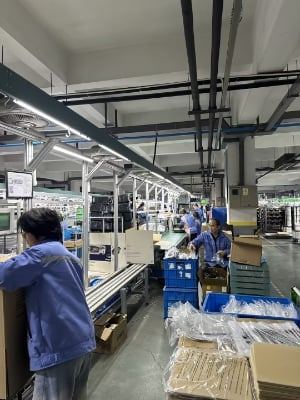
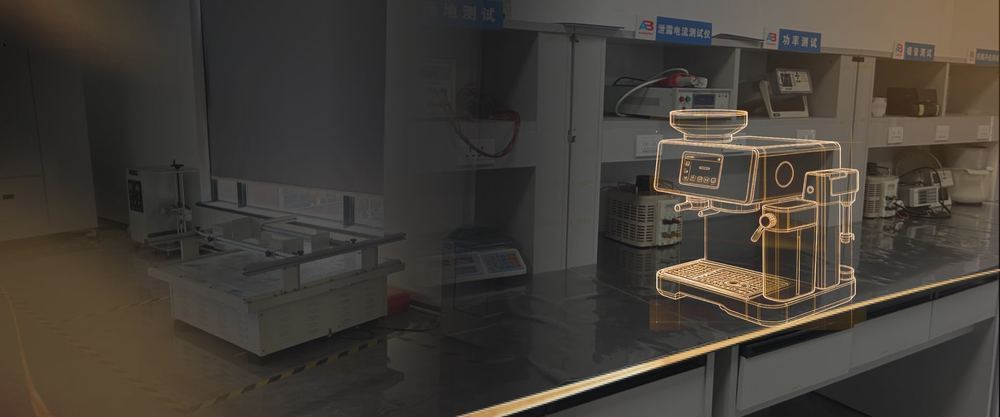
Being a manufacturer rather than a trading company shows up in three places that matter commercially: how fast a specification can change, who controls the tooling, and where a failure gets caught. Each of those is a commercial advantage or an inconvenience depending on how the programme is structured.
Factory scale, and where our own figures disagree
A capacity number a buyer cannot verify is worth nothing, so the numbers below are quoted with their source and the disagreement between our two channels is shown rather than smoothed over.
| Figure | Published value | Source and what it covers |
|---|---|---|
| Manufacturing floor area | 16,000–30,000 m² | Corporate site: 30,000 m². Global Sources profile: 16,000 m². Published as a range because both are current. |
| Production lines | 30+ | Corporate site. Lines are organised by product family, not by order. |
| Monthly capacity | 300,000+ units | Corporate site, across all categories combined rather than per model. |
| Staff | 800+ | Global Sources profile, including production and office staff. |
| Senior engineers | 20–90 | Corporate site: 90. Global Sources profile: 20. The gap is how many engineering staff sit across all categories versus the core team. |
| Regular lead time | 45–50 days | Corporate site, for an approved specification at normal order volume. |
| Export share | 90% of output | Global Sources profile: export percentage over 90%. |
| Manufacturing history | Since 2015 | Started with air fryers and small kitchen appliances, then expanded into coffee, cleaning and personal care. |
| Office area | 680 m² | Office and administrative space. Not production space. |
| Sample room area | 400 m² | Where pre-production and pre-shipment approval units are built, and where a buyer can inspect a unit before approving the production order. |
Two of our own published channels give different figures. Our corporate site states 30,000 m² of floor area and 90 senior engineers; our Global Sources manufacturer profile states 16,000 m² and 20 senior engineers. Both are ours and both are current, so rather than pick the flattering one we publish the range — 16,000–30,000 m² and 20–90 senior engineers. If you need the figure for a specific building or a specific project team, ask and we will tell you which site you are looking at.
Factory figures are published by Anbo United on its own corporate site and its Global Sources manufacturer profile. Project-specific capacity, schedule and staffing are confirmed during quotation and against the approved specification.
Two smaller figures that are often confused with the manufacturing floor area, so they are stated plainly: the office is 680 m² and the sample room is 400 m². Neither is production space. The sample room is where pre-production and pre-shipment approval units are built and where a buyer can inspect a unit before approving the production order — which is the space that actually determines how fast a programme moves.
What the factory runs, beyond this catalogue
This site covers coffee machines, pizza makers and electric grills as primary lines. The factory runs a wider range, which matters if you are building a multi-category retail programme.
| Category | Position in the factory range |
|---|---|
| Air Fryers & Ovens | Original starting category |
| Coffee Machines | Primary line for this site |
| Pizza Maker Ovens | Primary line for this site |
| Electric Grills & Griddles | Primary line for this site |
| Carpet Cleaners | Cleaning programme |
| Vacuum Cleaners | Cleaning programme |
| Hair Trimmers | Personal care |
| Hot Air Brushes & Hair Dryers | Personal care |
| Steam Irons | Garment care |
| Rice Cookers | Kitchen appliances |
| Slushy Makers & Ice Makers | Seasonal programme |
The catalogue on this site is narrower than the factory on purpose. Tell us the categories you need and we will confirm which of them can be built to your specification.
Where the design decisions are made
The seven-stage programme
The order is deliberate: cost and certification risk are reduced in the early stages, where changes are cheap.
1IDEA
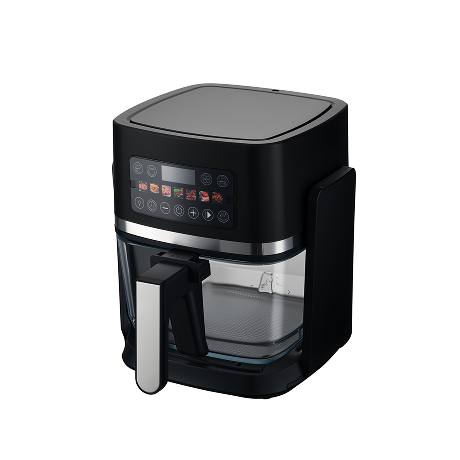
Concept, benchmark or category gap assessed for manufacturability, cost and certification feasibility.
22D DRAWING
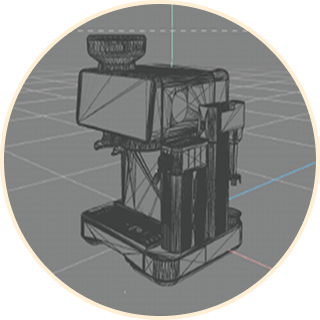
Industrial design and mechanical drawing, where basket geometry, air paths and carton dimensions start becoming fixed.
33D MODELING
Full 3D model of every moulded part, reviewed against the drawing and the tooling plan.
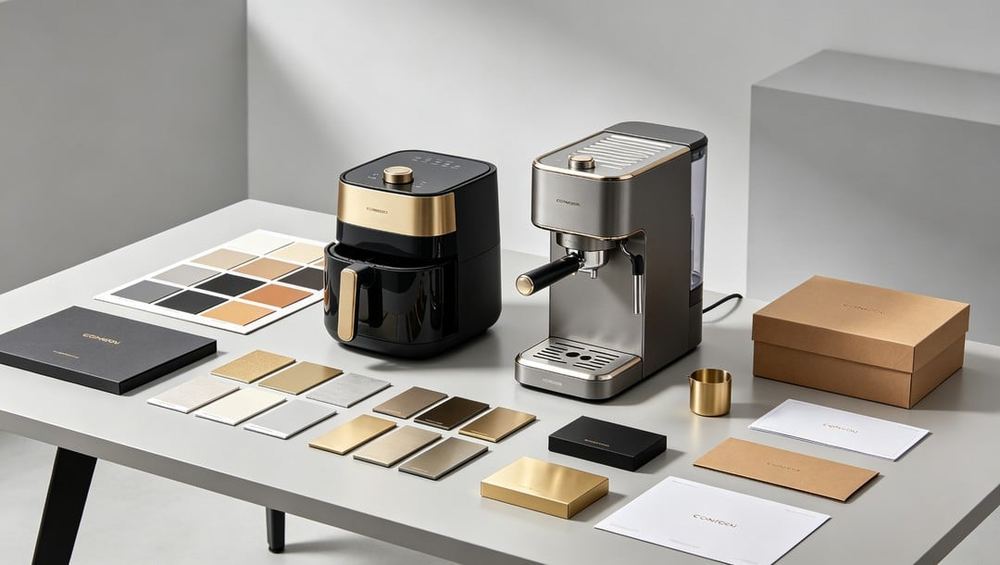
4SAMPLE
First article built on production tooling, not on soft prototypes.
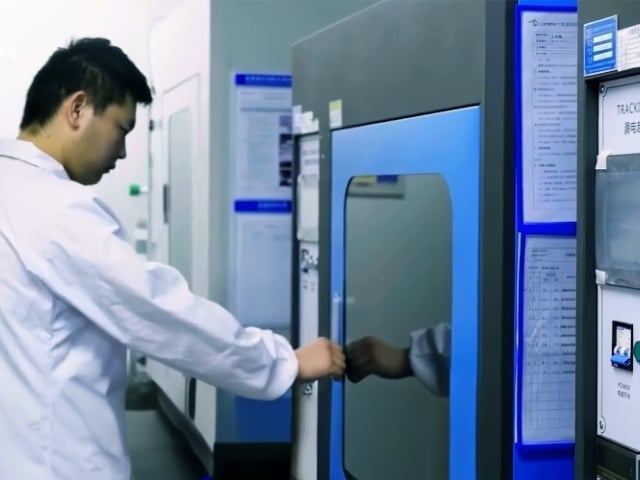
5SAMPLE TESTING
Functional, safety and — where the market requires it — certification testing.
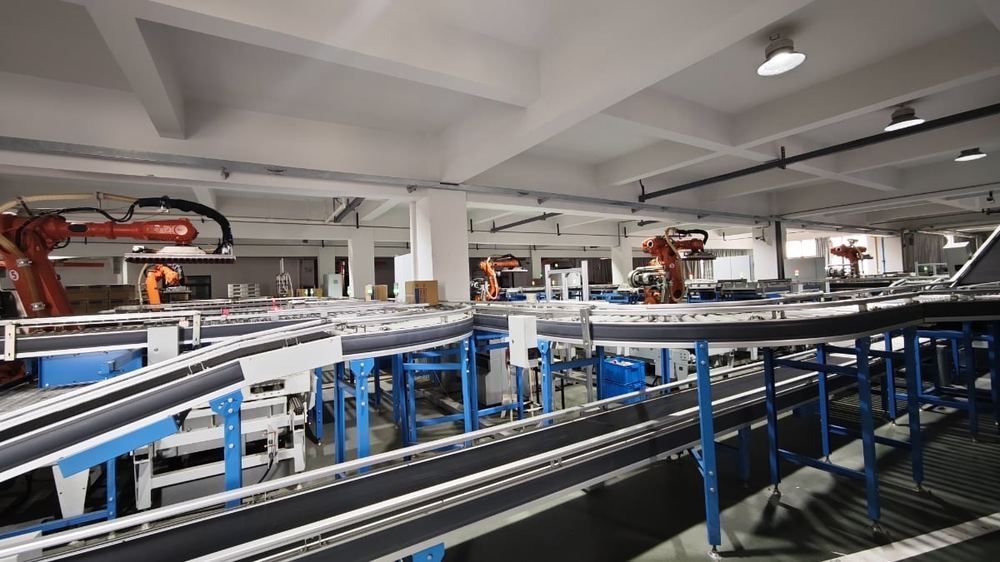
6CUSTOM PACKAGING
Artwork, carton structure, manual, inserts and barcodes, checked against destination-market labelling rules.
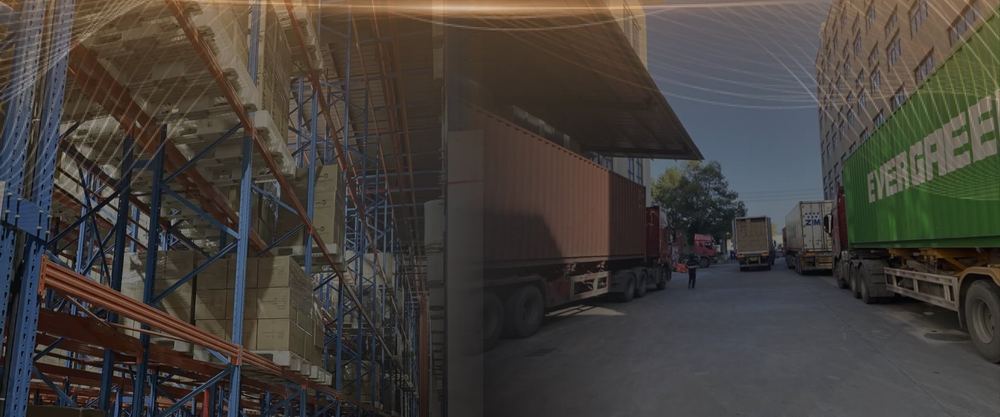
7BULK GOODS
Mass production against the approved sample and approved artwork, with inspection gates before shipment.
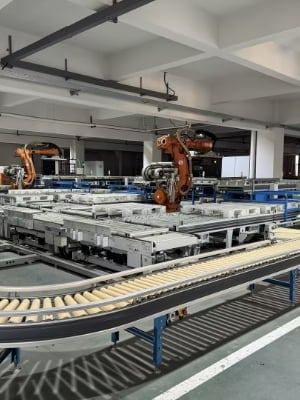
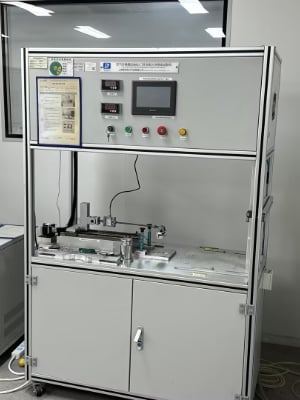
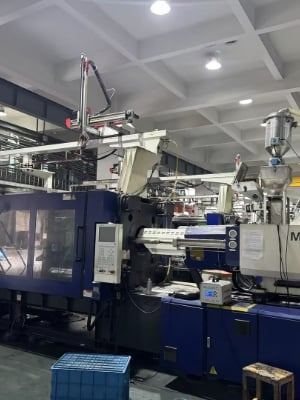
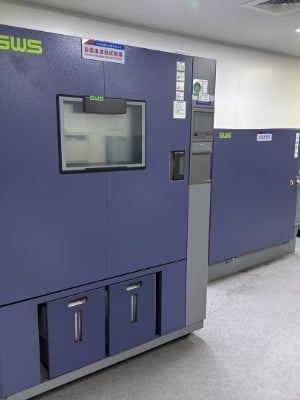
Production facilities
Placeholder facility imagery — replace with Anbo United own factory photography before launch.
Tooling and moulds
The single largest non-recurring item in a private-label programme, and the one most often under-estimated at the start.
Tooling cost is driven by part complexity, cavity count, material and finish. Two models built on one platform can share a large share of their tooling, which is the mechanical reason a multi-SKU programme costs less per model than a single model order. Terms — amortisation across a range, ownership on completion, and maintenance — are agreed before the first tool is cut.
See tooling & moulds for how the NRE conversation usually runs.
Capacity planning
Production capacity is allocated per programme rather than advertised as a single headline number. What actually determines your lead time is the number of distinct platforms in your range, not the total number of machines on the floor: a range sharing one platform re-uses fixtures, test jigs and inspection points, and moves faster through the line than the same unit count spread across six platforms.
For that reason, quotations state a lead time per model based on its platform and its position in the queue, rather than a factory-wide figure. If a programme has a hard launch date, say so at quotation stage — it is the information that changes the plan.
What affects your lead time
The factors that actually move a date, listed so they can be planned rather than discovered.
| Factor | Impact | What it means for planning |
|---|---|---|
| Distinct platforms in the range | High impact | Each platform needs its own fixtures, jigs and first-article approval. One platform across six models moves faster than six platforms across six models. |
| Tooling | High impact | New tooling is on the critical path for any model with a new moulded part set. |
| Certification route | High impact | A new destination market usually means a new test file and new marks. |
| Packaging artwork approval | Medium impact | Artwork is approved once and then applies to the whole range, but approval cannot start before the model is frozen. |
| Order quantity per model | Medium impact | Below a practical batch size, material and setup costs dominate the unit cost. |
| Peak season position | Medium impact | Programmes queued ahead of yours push the date. Booking earlier is the only real lever. |
Export logistics coordination
Planned during production, not negotiated at the end.
Carton and loading plan
Carton dimensions are fixed at the drawing stage because they determine both container utilisation and the loading plan. Undersized cartons cost money on every shipment.
Documentation coordination
Commercial invoice, packing list, certificate of origin and destination-specific documents are prepared against the confirmed order, so arrival customs is not the first time anyone reads them.
Freight terms discussed early
FOB, CIF and DDP change the risk profile and the paperwork, so they are settled at quotation stage rather than after production.
Packing configuration per channel
Retail carton, market-ready packaging and bulk packing are different configurations of the same product; which one applies affects both carton cost and labour on arrival.
Ask for a programme timeline
Send the models, destination market and target launch window — you will get a per-model lead time, not a factory-wide figure.
At a glance
- Page subject
- Ningbo Anbo United Electric Appliance Co.,ltd (Anbo United)
- Location
- Ningbo, Zhejiang, China
- Primary product lines
- Coffee machines, pizza makers, electric grills
- Core category built alongside
- Air fryers — single basket, dual basket, oven type, smart
- Also manufactures
- Grills & baking, small home appliances, garment care, spare parts
- Services
- OEM / ODM manufacturing, private label, tool& moulds, compliance support
- Official links
- Alibaba.com · LinkedIn
- Sales contacts
- AMY (General Manager / CEO) ceo@anbolife.com · Tony (International Sales) tony@anbolife.com
- Contact
- +86-15355158390 · ceo@anbolife.com
- Content updated