
Solutions by business model
Five routes through the same factory — chosen by how your business makes money rather than by how many products we make.
Reviewed by the Anbo United export team · Page last updated:
Direct answer
Five commercially different relationships run on the same factory: own-brand retail programmes, multi-SKU territory distribution, listing-ready e-commerce products, high-use hospitality units, and OEM programmes built to your own design. What makes a programme work depends on how your business makes money, so the route matters more than the product list — and all five draw on the same 22-model catalogue across 7 categories.
- Retail brands need differentiated specification and artwork they own
- Distributors need range depth, MOQ structure per model and parts depth
- E-commerce sellers need accurate specification content and durable transit packaging
Solutions by business model
The same factory and the same catalogue, organised five different ways — because what makes a programme work depends on how your business makes money, not on how many products we make.
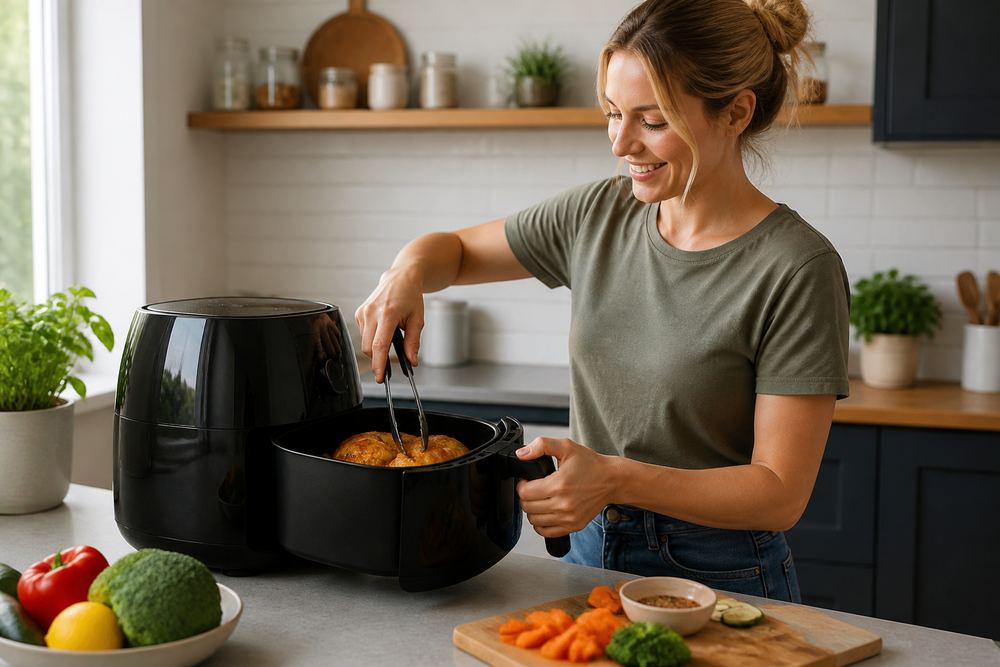
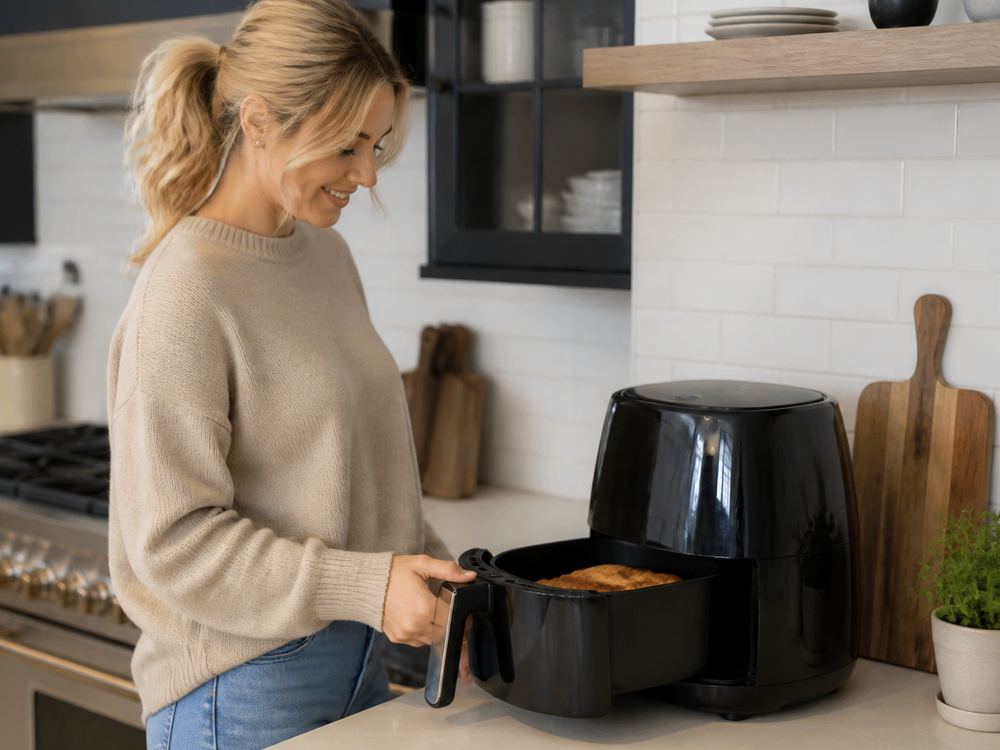
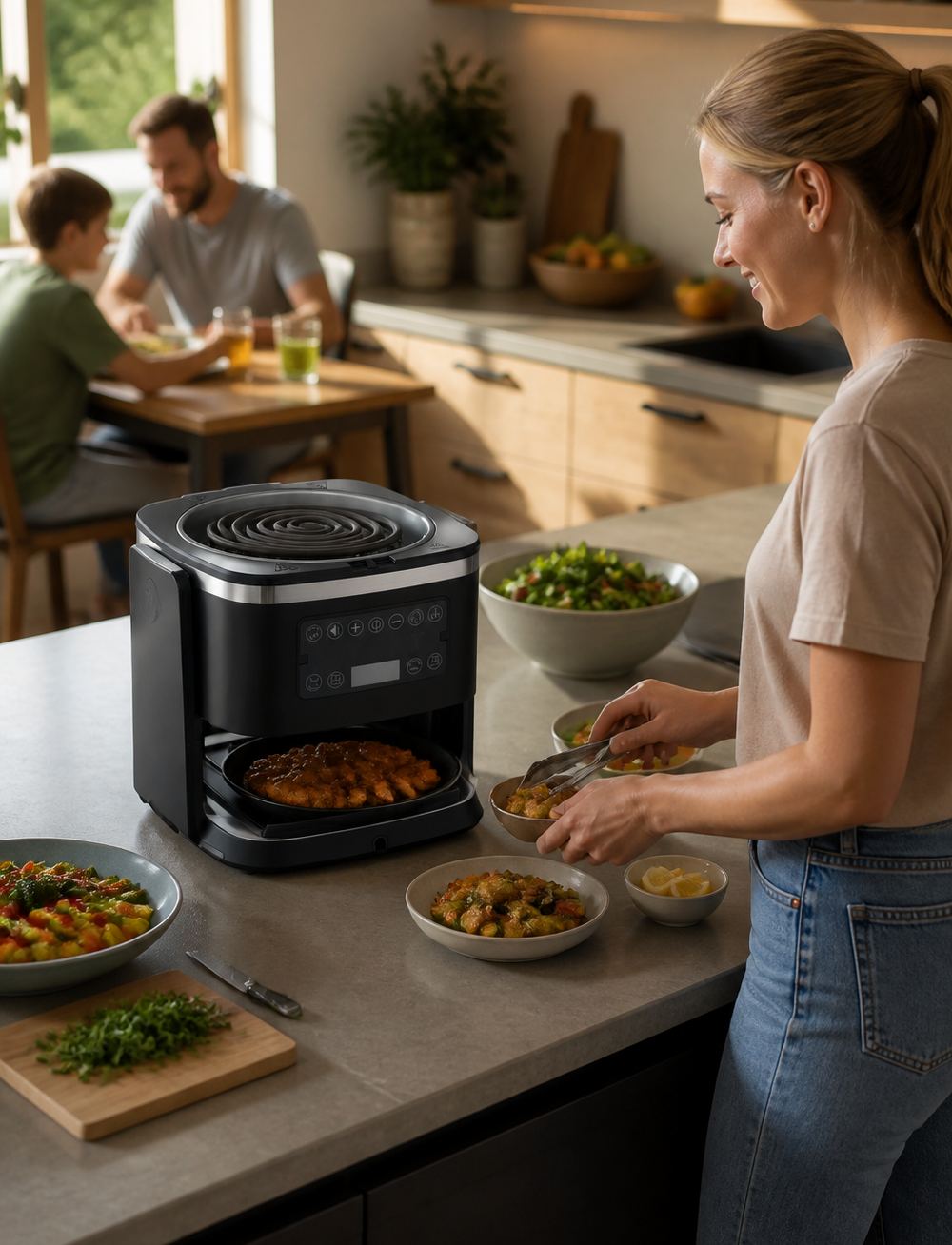
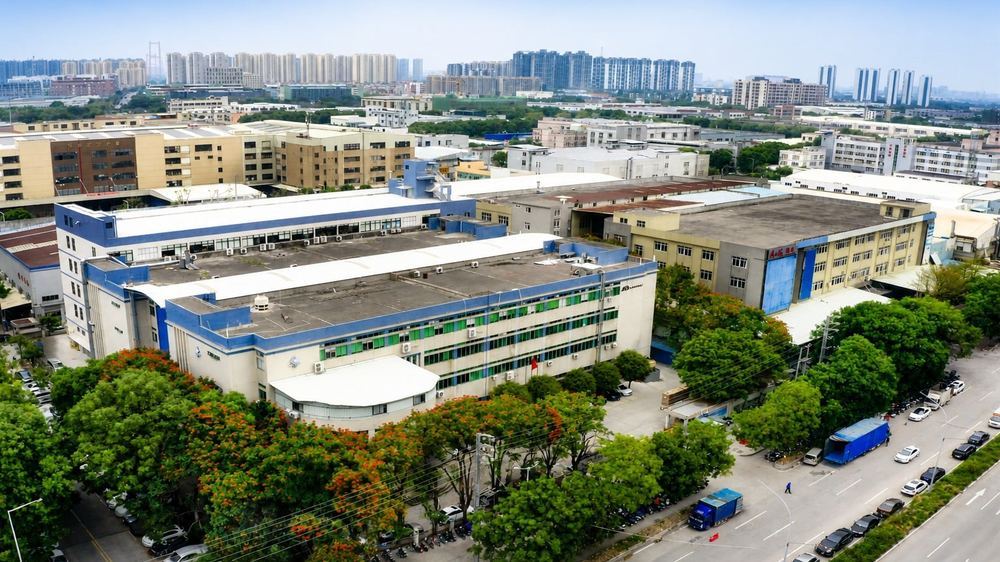
Most supply conversations start with the product. That is the wrong end. The product is the output of a programme, and the programme works or fails on structure: who owns the tooling, how MOQ is set, what documentation the destination market needs, and whether the range can extend. So this section starts from your business model and works back to the product.
Five routes
Retail brands
You own the brand and the specification, and you need the range to extend without the whole programme being renegotiated.
Distributors
You hold markets or channels, and the commercial argument is range depth, replenishment and parts rather than unit price.
E-commerce sellers
You list and market, and the product has to survive a listing rebuild, a platform change and a returns rate.
Hospitality operators
You use them commercially, at volume, and downtime has a real cost.
OEM buyers
You are building a product under your own industrial design and need a manufacturer who can hold the engineering, tooling and compliance together.
What each route is optimising for
The same manufacturing operation serves five commercially different relationships, and the priorities genuinely conflict.
| Route | What it optimises for | What it needs from us | Where it usually goes wrong |
|---|---|---|---|
| Retail brand | Specification differentiation and range extensibility | Tooling ownership, artwork control, documentation readiness | Cannot move fast on price without a platform structure |
| Distributor | Range depth and predictable replenishment | MOQ per model, parts depth, territory clarity | Needs breadth across categories, not one hero SKU |
| E-commerce seller | Listing stability and low return rate | Accurate content, packaging durability, variant strategy | Listing rebuilds expose weak specification content |
| Hospitality operator | Uptime and serviceability | Durability, spare-part planning, documentation | Downtime cost more than unit price |
| OEM buyer | Engineering control and IP protection | Design freeze discipline, tooling terms, NDA handling | Late specification changes are the main cost risk |
Choosing between routes
Most buyers actually sit in more than one camp. These are the boundaries that decide which page is worth reading.
What is common to every route
The things that do not change whichever route you take.
Destination market decides the build
Voltage, plug, test scope, marks and labelling follow from the destination country — before the specification is frozen, not after.
Tooling is the largest one-off cost
Ownership, amortisation and maintenance terms are agreed before the first tool is cut.
Private label is a project, not a request
Brand, artwork, manual, inserts and barcodes each have a lead time and an approval.
Spare parts are designed in
The replacement-part list is defined during design, which is what makes after-sales workable.
MOQ is per model, not published
Because one model and a six-model range are different commitments, and a single published figure would be wrong for both.
Quality gates are the same
Incoming, in-process, functional, final and pre-shipment inspection with batch traceability.
Choosing a route
Can we combine routes?
Yes, and most serious buyers do. A distributor that also owns a brand needs tooling and artwork terms from the brand side and MOQ and range terms from the distribution side. Say which half you are, so the terms are not confused.
We are not sure which route we are.
That is the normal starting position, and it is worth resolving before the first quotation because the terms differ. Describe the business — markets, channels, whether you own a brand, expected volumes — and the route follows from that.
Does the route change the price?
It changes the structure rather than the rate: MOQ, packaging configuration, tooling amortisation and freight terms all vary by programme. That is also why we do not publish a price list.
Can we move between routes later?
Usually, and it is easier than it sounds. The specification, artwork and documentation are reusable; what changes is the commercial structure around them.
Which route is fastest to start?
The one with the least new scope. An existing brand and a known destination market get to a specification sheet and a quotation faster than a new category in an unknown market, because the compliance work is the slow part.
Do you work with buyers who only want one model?
Yes. The programme is structured so the specification, artwork and documentation are reusable when the range extends.
Tell us which route fits
Markets, channels, whether you own a brand, expected volumes — the commercial structure follows from that.
At a glance
- Page subject
- Ningbo Anbo United Electric Appliance Co.,ltd (Anbo United)
- Location
- Ningbo, Zhejiang, China
- Primary product lines
- Coffee machines, pizza makers, electric grills
- Core category built alongside
- Air fryers — single basket, dual basket, oven type, smart
- Also manufactures
- Grills & baking, small home appliances, garment care, spare parts
- Services
- OEM / ODM manufacturing, private label, tool& moulds, compliance support
- Official links
- Alibaba.com · LinkedIn
- Sales contacts
- AMY (General Manager / CEO) ceo@anbolife.com · Tony (International Sales) tony@anbolife.com
- Contact
- +86-15355158390 · ceo@anbolife.com
- Content updated